Khamenei Death Rumors Explained: Did Israel Launch a Blue Sparrow Missile Strike?
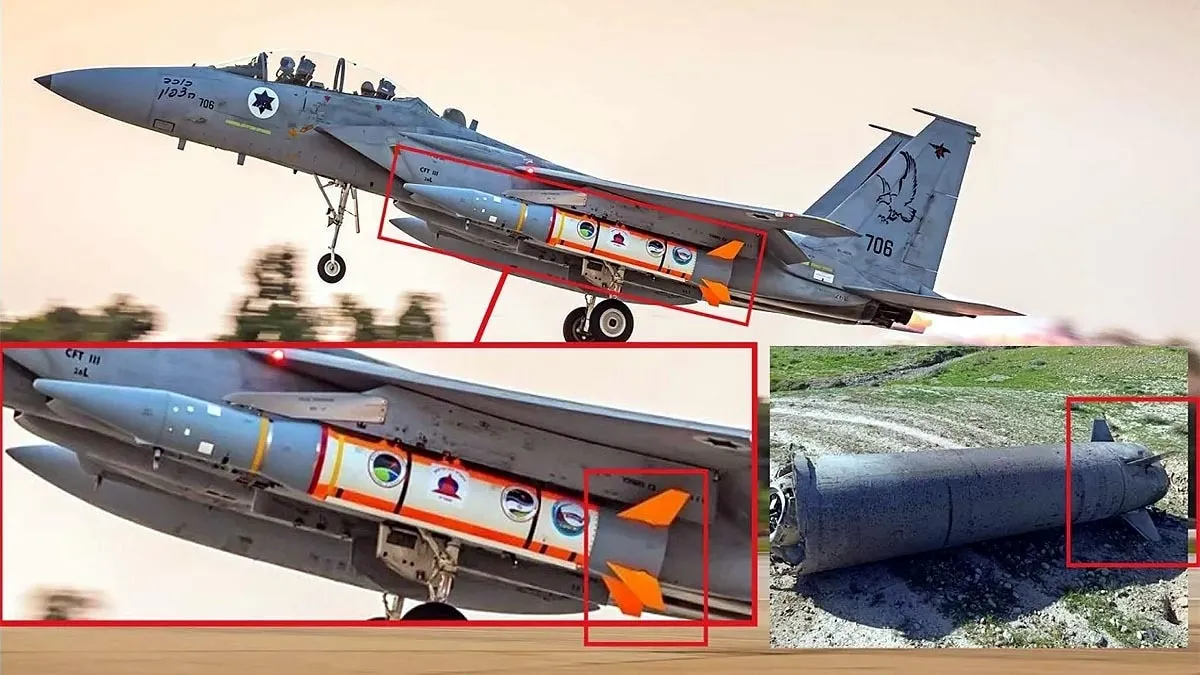
In late February 2026, global news and social media were flooded with dramatic claims about the reported death of Iran’s Supreme Leader Ayatollah Ali Khamenei and speculation that the attack involved a mysterious weapon dubbed a “Blue Sparrow missile” allegedly launched by Israel.
The story quickly spiraled into confusion, conflicting reports, and widespread misinformation. This article explains what is actually known, what is unverified rumor, and how digital misinformation has amplified global uncertainty — all supported with credible sources and current events.
Who Was Ali Khamenei?
Ali Khamenei had been Iran’s Supreme Leader — the nation’s highest political and religious authority — since 1989. As head of state, commander-in-chief of the armed forces, and an influential figure in Iranian politics, his role extended across domestic governance and foreign policy.
Read Also: Trump Touts Economic ‘Turnaround for the Ages’ and New Energy Deals in 2026 State of the Union
Khamenei’s leadership shaped Tehran’s nuclear policy, relations with Western powers, and support for armed groups across the Middle East.
The 2026 Military Escalation and Strike on Tehran
On 28 February 2026, a large-scale aerial and missile operation was launched against Iran by the United States and Israel. The operation involved extensive air strikes targeting Iranian military infrastructure, nuclear-related sites, and political leadership locations in Tehran.
The strikes were described as part of coordinated military objectives meant to degrade Iran’s ability to project power and respond militarily to perceived threats.
Within hours, multiple news agencies and Iranian state sources reported that Khamenei had died in the attack. Iranian state media later confirmed the death of the Supreme Leader and announced a 40-day period of national mourning.
Additional reports indicated that several senior officials, military commanders, and members of Khamenei’s family were also killed in the strikes.
Notably, some mainstream outlets reported that the strike was executed using coordinated air assets and precision-guided ammunition provided by both U.S. and Israeli forces — but nowhere in credible reports is there any mention of a weapon called a “Blue Sparrow missile.”
What Is the “Blue Sparrow Missile” Rumor?
The term “Blue Sparrow missile” began circulating primarily on social media platforms and unverified forums, where users speculated about secret Israeli weapons used in the strike. However:
There is no official or credible intelligence confirmation of a weapon system by that name being used in the recent attacks.
The Israeli Defense Forces (IDF) and U.S. military statements have referred to air operations and precision munitions but not to any proprietary missile like “Blue Sparrow.”
Independent investigations by defense analysts and major news outlets do not identify such a weapon in their reporting on the operation.
In other words, the “Blue Sparrow” concept appears to be part of internet rumor and speculation, not verified military hardware involved in the Iran conflict.
Why the Rumor Spread So Widely?
There are several reasons such rumors gain traction during large geopolitical events:
1. Fog of War and Information Gaps
During wartime, real information often lags behind dramatic claims online. Conflicting messages from state agencies, delayed confirmations, and the absence of immediate official visuals create fertile ground for speculation.
You Must Also Like: Nancy Guthrie Live Updates: Police Detain Person of Interest in Disappearance
In this case, videos, AI-generated images, and mislabelled footage claiming to show either Khamenei’s body or specific strike weapons were widely circulated. Fact-checking organizations later flagged many such media as manipulated or misrepresented.
2. Lack of Primary Source Confirmation
Khamenei did not make a public appearance after the strike. In the absence of direct messaging or video proof, observers on social media tried to fill the information vacuum often incorrectly. This lack of confirmation from Iranian leadership created ambiguity, which was seized by rumor mills.
3. Political Narratives and Propaganda
Both state and non-state actors leverage major news events to shape narratives. Whether through exaggerated claims of military prowess or attempts to discredit opponents, platforms with political bias tend to amplify uncertain reports as “fact.”
For example, various fringe accounts linked the strike to revolutionary cyberwarfare or secret intelligence operations, but these remain unverified beyond speculative commentary.
What the Evidence Does Confirm?
1. International Reports Confirm Khamenei’s Death
Multiple international news agencies and official Iranian state sources reported that the Supreme Leader was killed during the missile and air strikes on 28 February 2026. The Iranian government itself declared an official period of mourning following the confirmation.
2. Military Action Involved Extensive U.S.–Israeli Operations
Independent press coverage indicates that the military campaign was not a single missile strike but a complex aerial offensive, involving hundreds of sorties, ballistic missile defenses, and multi-domain coordination between U.S. and Israeli forces.
3. No Open-Source Evidence of Special “Blue Sparrow” Missile Systems
Although military analysts referenced advanced guided munitions used by Israel and the U.S., no credible defense or government source has used the term “Blue Sparrow missile,” which remains confined to unverified posts and rumor threads.
Conclusion
Verified data confirms that Iran’s Supreme Leader Ayatollah Ali Khamenei was declared killed following a coordinated U.S.–Israeli military offensive in late February 2026.
There is no credible evidence that a weapon called a Blue Sparrow missile was involved in the operation — this appears to be a rumor amplified on social media.
Ongoing regional tensions and missile exchanges reflect the broader conflict, not a single secret weapon. Digital misinformation remains a major challenge in interpreting world events accurately.
If you’re seeking further updates, it’s critical to consult verified mainstream reporting and official statements from credible sources rather than unverified social media speculation.