Flash Flood Devastates Northern Nepal Near Tibet Border
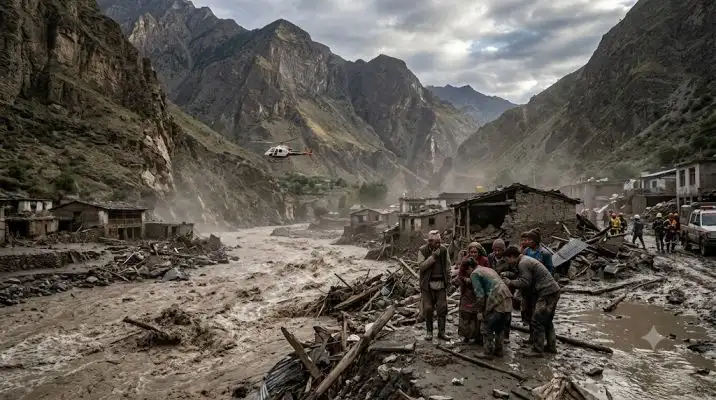
A catastrophic flash flood ripped through northern Nepal on August 26, 2026. The disaster struck the Rasuwa district near the Tibet border. This was no ordinary flood. It was a violent wall of water that swept away homes, bridges, and entire communities.
The flash floods Nepal experienced on that day have left a trail of destruction that is still being assessed. Search and rescue operations continue, but the scale of the tragedy is immense.
The Disaster Unfolds
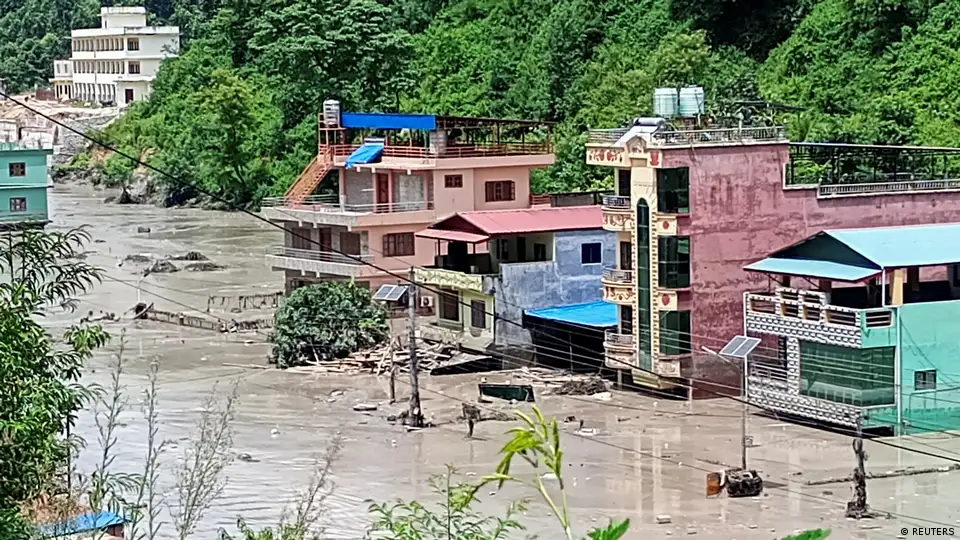
Around 9:00 AM local time, a massive surge of water and debris plunged into the Bhote Koshi River from the direction of Tibet. It struck with terrifying speed, overwhelming the border settlements of Timure and Syabrubesi.
Read Also: Pennsylvania State Police Helicopter Crashes at Carlisle Airport: Immediate Reports And Updates
"The flood appeared suddenly," said Narendra Pariyar, chief district officer of Rasuwa. Videos captured the horror, showing a two-storey building at the Rasuwagadhi border point being overrun by the flood. The flood tore through villages, carrying vehicles, commercial goods, and huge boulders down the river.
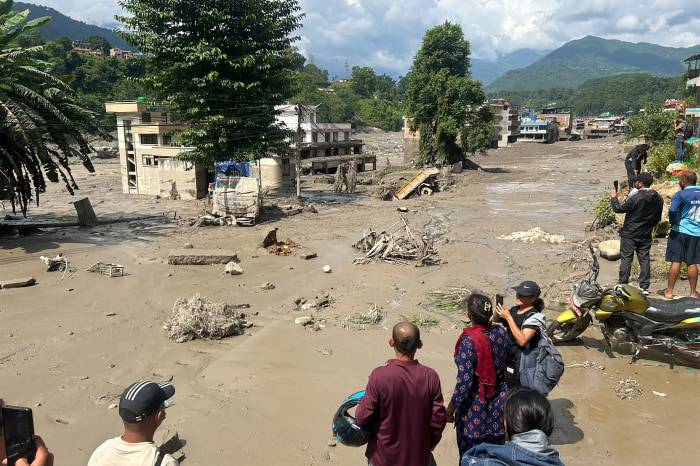
The Nepal flood news latest 2026 quickly became a grim update. The floodwaters travelled over 100 kilometres, ravaging multiple districts along the Trishuli River, including Nuwakot, Dhading, Gorkha, Tanahun, Chitwan, and Nawalparasi East before receding .
The Cause: An Ice-Rock Avalanche
Experts at the International Centre for Integrated Mountain Development (ICIMOD) determined that this event was a "cryosphere hazard." An ice-rock avalanche from a high-altitude area on the Tibetan side likely triggered the flood.
You Must Also Like: Nancy Guthrie Live Updates: Police Detain Person of Interest in Disappearance
The avalanche was so massive that it generated seismic signals initially detected as a magnitude 4.4 earthquake. However, the U.S. Geological Survey confirmed that the energy was actually created by the landslide, not an earthquake .
The avalanche may have also temporarily blocked the river, acting as a dam. When that dam broke, it released an even more powerful surge downstream. The water level on the Trishuli River rose by a staggering 9 meters in just 30 minutes .
The Toll: Death, Destruction, and Despair
The human cost of the central Nepal floods flash floods is staggering.
Confirmed Deaths
Nepal police reported a confirmed death toll of 157 people across several districts.
| District | Bodies Recovered |
|---|---|
| Rasuwa | 3 |
| Nuwakot | 13 |
| Dhading | 27 |
| Chitwan | 64 |
| Gorkha | 19 |
| Tanahun | 9 |
| Nawalparasi East | 22 |
Hundreds Missing and Injured
The number of missing is even more alarming.
-
Travellers and Tourists: The Nepal Tourism Board reported 384 travellers, including 291 foreign nationals, were unaccounted for . This number later rose to 579, including 466 foreigners.
-
Among those missing are 133 Indian nationals, many of whom were pilgrims on the Kailash Mansarovar Yatra. Other missing foreign nationals include 33 British citizens, as well as tourists from the US, South Korea, and other countries.
-
Security Forces: Over 80 security personnel are missing, including 44 from the Nepal Army and 41 from the police force.
-
Injuries: At least 49 people were reported injured and receiving treatment in hospitals. More than 30 people were airlifted to Kathmandu for treatment.
Infrastructure Wiped Out
The devastation to public infrastructure has been immense.
-
Roads: At least 40 kilometers of roads have been damaged, including a vital 18-kilometer stretch between Syaphrubesi and Rasuwagadhi which was completely washed away .
-
Bridges: At least 19 bridges have been destroyed .
-
Hydropower: At least 12 hydropower plants have been damaged, cutting off 431.1 MW from the national grid .
-
Government Posts: Police and Armed Police Force personnel posts in Timure, Syaphrubesi, and Rasuwagadhi were damaged or destroyed .
A Threat Remains: Danger of a Second Wave
The risk for those living downstream is not over. A blockage from the original avalanche is still lodged upstream on the Nepal-China border.
Scientists warn that a second flood is imminent and could strike at any time . Evacuation orders are in place for downstream residents near the Trishuli River.
The Nepali government has deployed a massive rescue effort, including the Nepal Army, Armed Police Force, and local police . India and the European Union have also offered support, with India sending disaster relief and activating its satellite system to help map the affected areas .
For the people of Nepal, the road to recovery will be long and painful. The nation is in shock as it comes to terms with one of the worst natural disasters in its recent history.