MOFCOM Prepares Sweeping Export Controls on Chinese AI And Chips
China is about to reshape the global technology landscape. The Ministry of Commerce (MOFCOM) is preparing sweeping export controls that will drastically limit the flow of Chinese AI technology and semiconductor components abroad.
This is not a minor policy tweak. It represents a fundamental shift in China's approach to technology exports. It will impact companies worldwide, from American chip designers to European AI startups. Understanding these MOFCOM AI model export controls is essential for anyone involved in the tech sector.
What MOFCOM Is Planning?
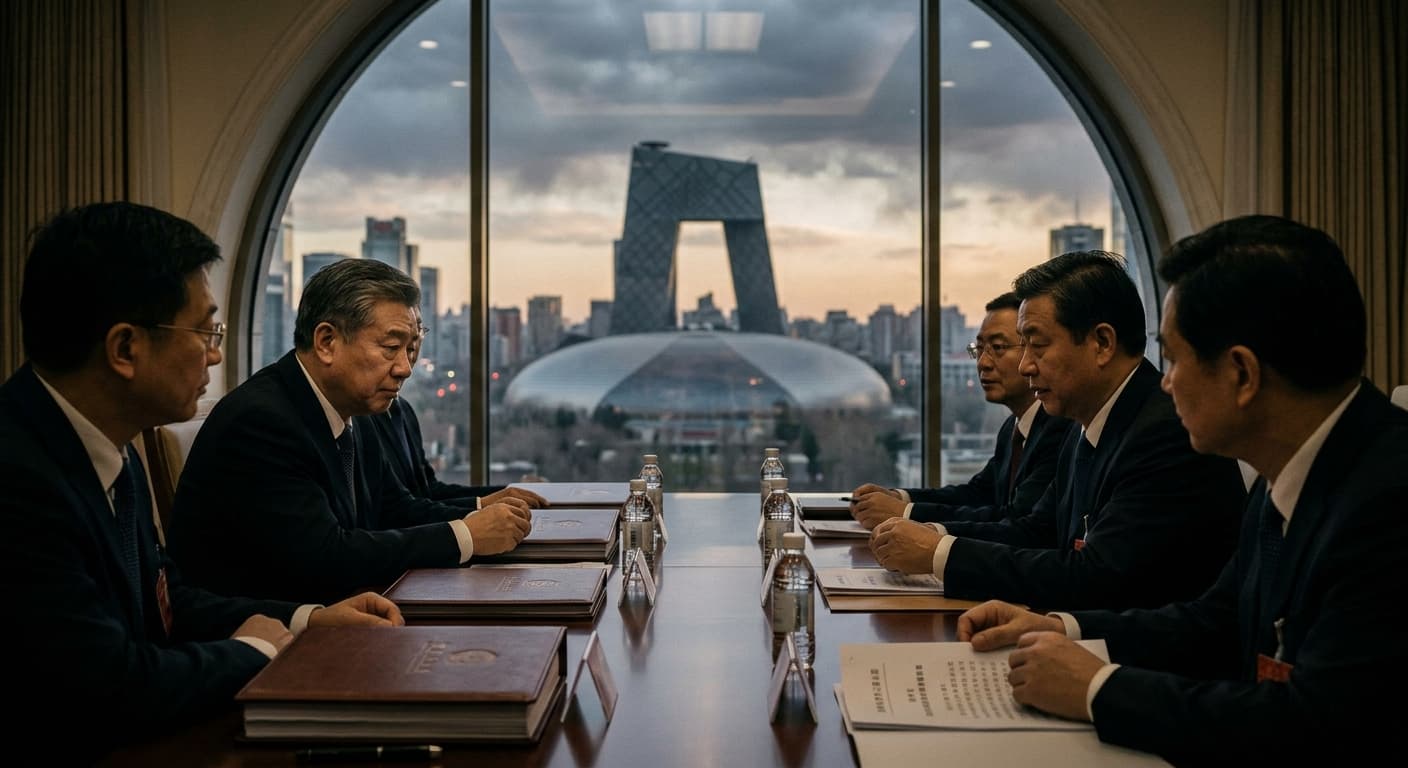
On July 1, 2025, China's State Council published a draft of new export control regulations. The public comment period ended on August 1, 2025 . While the final rules are still being finalized, the draft provides a clear picture of what's coming.
Read Also: India’s Great Recalibration: Why New Delhi is Easing FDI Scrutiny on China-Linked Funds
The proposed regulations would impose licensing requirements for the export of AI models and semiconductor technology. This includes restrictions on sharing AI model weights and algorithms with foreign entities .
The rules would also cover the transfer of intellectual property related to advanced chips and manufacturing equipment. The sweeping nature of these controls is striking. They would apply to a wide range of AI technologies, from natural language processing to computer vision and autonomous systems .
The stated goal is national security. MOFCOM argues these measures are necessary to protect China's technological interests and prevent sensitive technology from falling into the wrong hands .
This is China's answer to US export controls. The United States has been restricting access to advanced chips and chip-making equipment since 2022. China is now using the same playbook.
What This Means for AI Technology?
AI Model Weight Export Rules
The most significant part of the proposal is the restriction on AI model weights. AI models are essentially complex mathematical formulas trained on vast amounts of data. The "weights" are the values that make the model work. They are the secret sauce.
Under the new MOFCOM AI model export controls, companies may need a license to transfer model weights to foreign partners or subsidiaries. This would apply to both commercial and open-source models . Chinese AI companies like DeepSeek, Alibaba, and Baidu would face new barriers to international expansion .
This directly impacts AI startups in the US and Europe that rely on Chinese models or partnerships with Chinese firms. It also affects cloud service providers that host Chinese AI models in other countries.
The new rules would require MOFCOM approval for acquisitions of Chinese AI companies by foreign firms. This is a direct response to concerns about American and European companies buying Chinese AI technology. The rules would also regulate the export of chip design software and semiconductor manufacturing equipment.
Chinese Restriction on Foreign AI Acquisitions
The proposal includes specific restrictions on foreign acquisitions of Chinese AI companies. This could block deals like Microsoft's reported interest in acquiring elements of ByteDance's AI operations . The rules would make it much harder for foreign tech giants to gain access to China's leading AI research and development.
You Must Also Like: China Birth Rate Hits Record Low as Economy Hits Growth Goal
Foreign firms that already have Chinese AI operations may need to restructure. The rules would require licensing for any technology sharing with foreign parent companies. This affects companies like Apple and Tesla, which use Chinese AI technology in their products.
Impact on the Semiconductor Industry
Export Controls on Chips
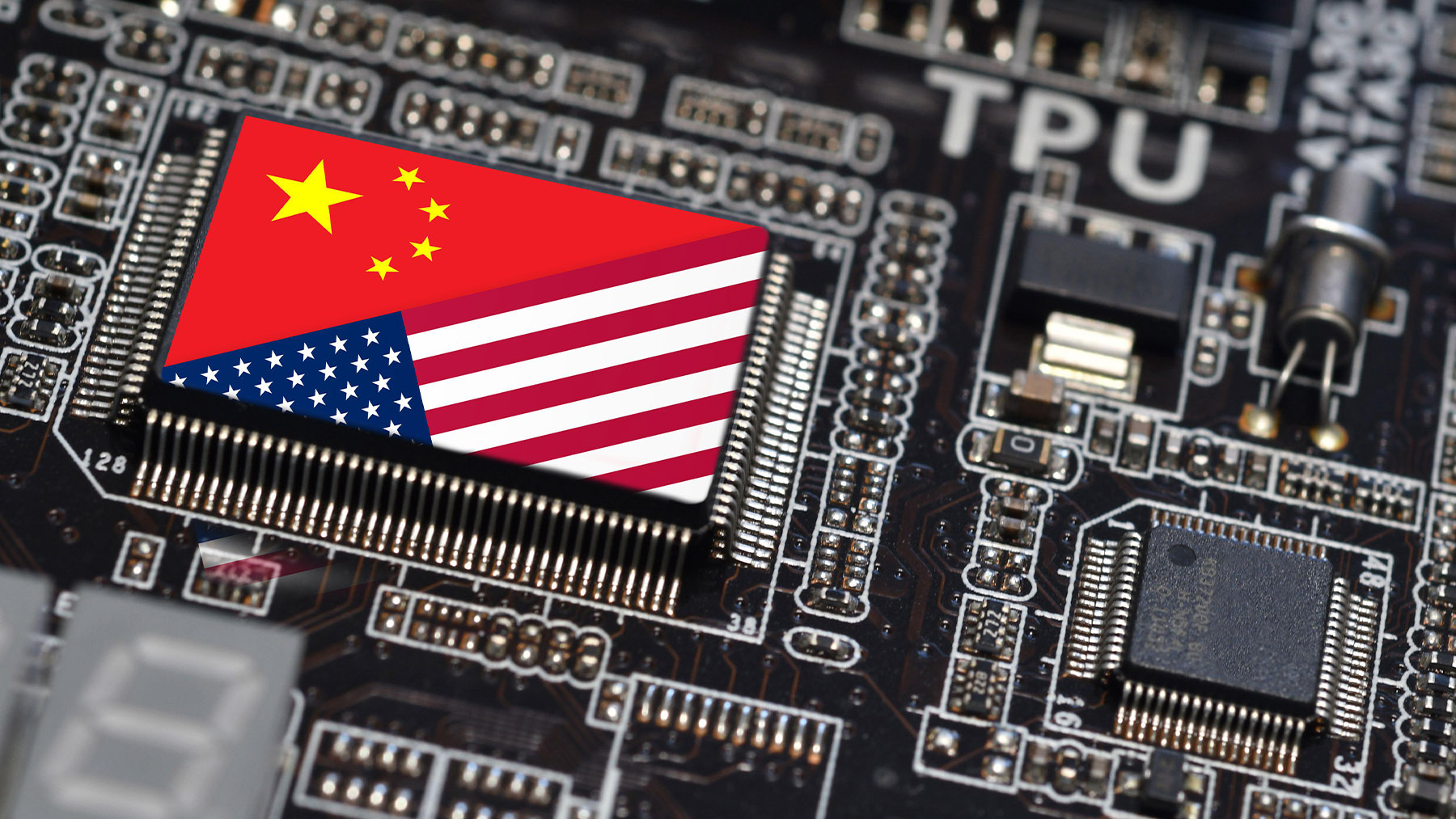
The semiconductor provisions are equally significant. The rules would restrict exports of advanced chips and chip-making equipment. This includes restrictions on sharing chip design data with foreign partners. Companies like SMIC and Huawei would need licenses to export certain chip technologies.
Impact on Global Supply Chains
The chip industry is already under pressure from US export controls. China's new rules could further disrupt global supply chains. Companies that rely on Chinese semiconductor components would need to find new suppliers. The restrictions could also affect the production of consumer electronics and automotive chips.
What This Means for Businesses?
If you're a tech company, here's what you need to know about the MOFCOM Prepares Sweeping Export Controls situation:
-
Understand the licensing requirements: If you export AI models or semiconductor technology from China, you'll need to assess whether you need a license. Begin the process early to avoid disruptions.
-
Diversify supply chains: Companies relying on Chinese chip technology should start exploring alternatives. The rules could affect access to critical components.
-
Review existing contracts: If you have partnerships with Chinese AI companies, review them carefully. The new rules could affect technology sharing arrangements.
-
Plan for compliance costs: Obtaining licenses will take time and money. Factor this into your business planning.
The Final Thoughts
China's new export controls represent a major escalation in the technology competition between the US and China. It's a logical response to US restrictions. But the scope is broader than many expected. The rules cover not just hardware but also AI models and algorithms.
This will have serious consequences for the global AI ecosystem. The free flow of AI technology is essential for innovation. These rules will fragment that flow. Companies will need to adapt. Some may be forced to choose between Chinese and Western markets.
The MOFCOM AI model export controls are here to stay. The race for AI supremacy is intensifying. And the winners will be those who navigate this new reality most effectively.