London Tube Strikes June 2026: Is the Elizabeth Line and Overground Affected?
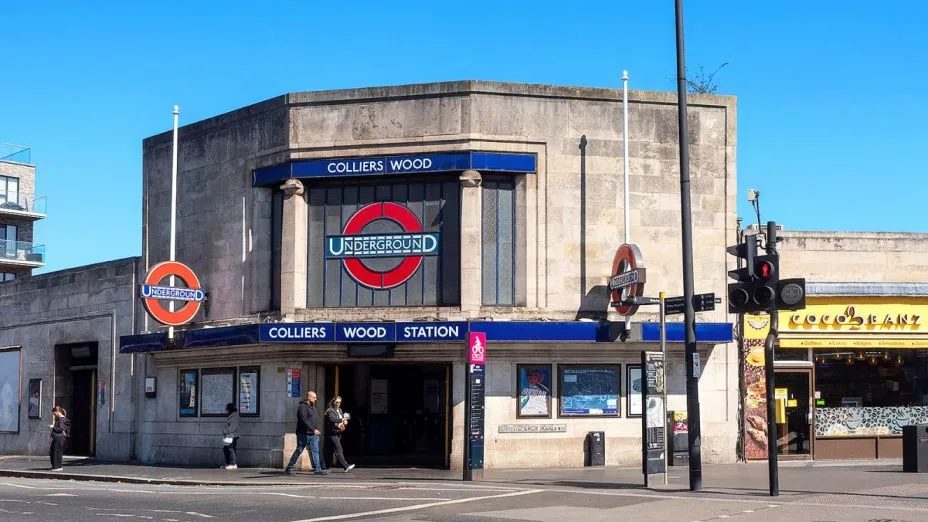
London Tube strikes June 2026 are happening this week. Two full days of walkouts. Tuesday June 2 and Thursday June 4, from midnight to midnight . I have lived through five major Tube strikes since moving to London in 2019.
Each one hits differently. This one has a nasty twist—the strikes start at midnight, not midday. That means morning rush hour gets hammered hard . If you are reading this because you need to get to work, stay calm.
The Key Difference Nobody Is Talking About?
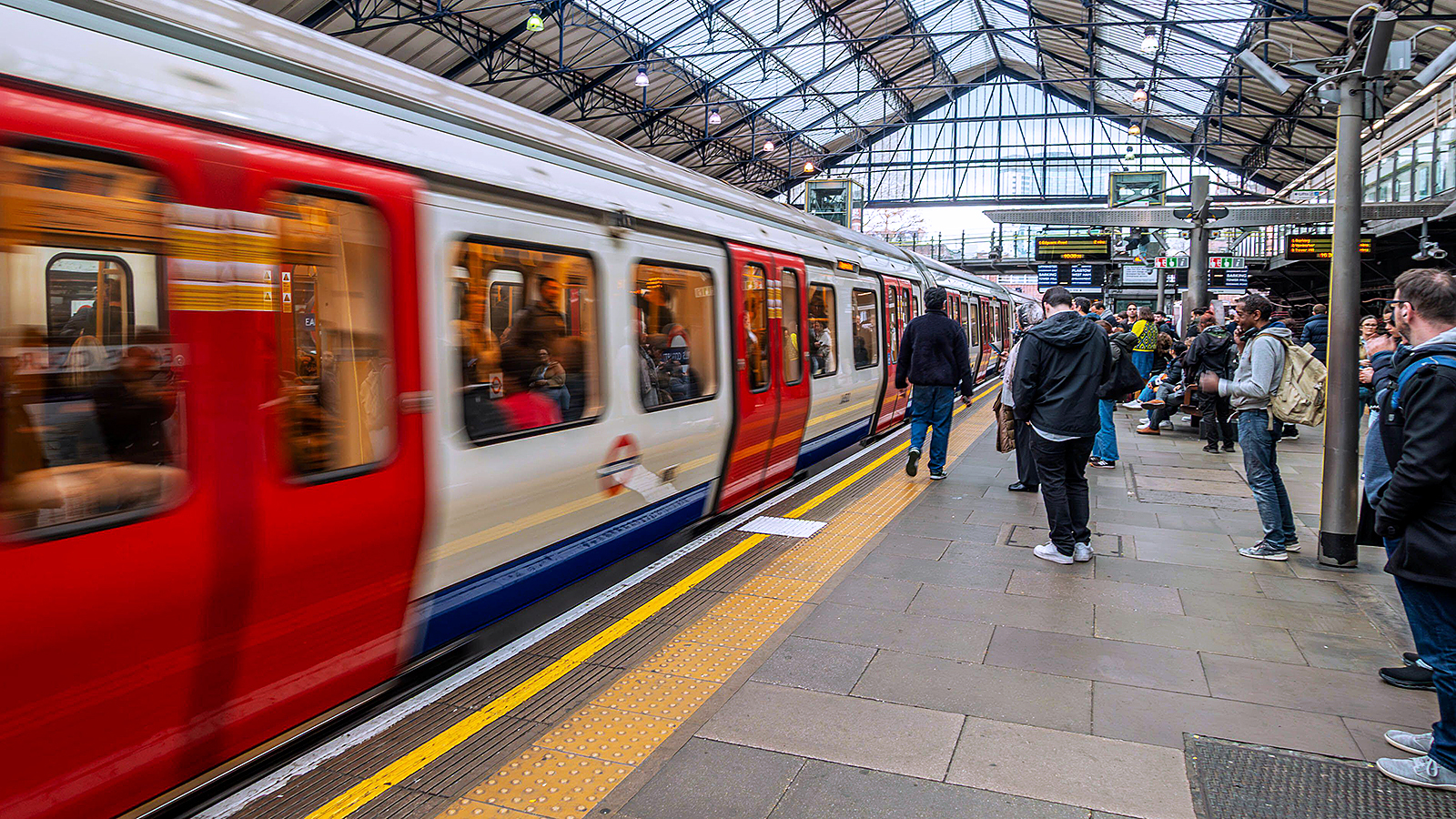
Previous strikes this year started at midday. That gave you time to get to work before chaos hit.
Read Also: Is Walmart Open on Memorial Day 2026? Holiday Hours and Store Schedule
Tube strikes going ahead in June 2026 start at 12:01am. Midnight. The moment Tuesday begins, drivers walk out. No service on several lines for the entire day. Here is what that means for you:
Tuesday June 2: Disruption from 12:01am to 11:59pm
Thursday June 4: Disruption from 12:01am to 11:59pm
Wednesday and Friday? Normal service. But do not celebrate yet. TfL warns of limited service before 6:30am on those recovery mornings.
I learned this lesson during the November 2023 strikes. Thought I was safe on the non-strike day. Showed up at my local station at 6:15am. Nothing moved for forty-five minutes. Do not make my mistake.
What Tube Lines Are Affected by the Strike?
Let me give you the brutal truth about what tube lines are affected by the strike.
Zero service. Nothing running. Do not bother:
-
Circle line – completely shut
-
Piccadilly line – completely shut (this hits Heathrow travellers hard)
-
Metropolitan line – shut between Baker Street and Aldgate
-
Central line – shut between White City and Liverpool Street
Partial service. Running but unreliable:
-
Bakerloo line
-
District line
-
Hammersmith & City line
-
Jubilee line
-
Northern line
-
Victoria line
-
Waterloo & City line
These lines will run. But expect fewer trains. Longer waits. And carriages packed tighter than a rush hour Tokyo subway.
I spoke to a friend who drives for the Victoria line. He is Aslef, not RMT, so he is working. He told me: We are running about forty percent of normal capacity. Maybe less.
Is the Elizabeth Line Affected by the Tube Strikes?
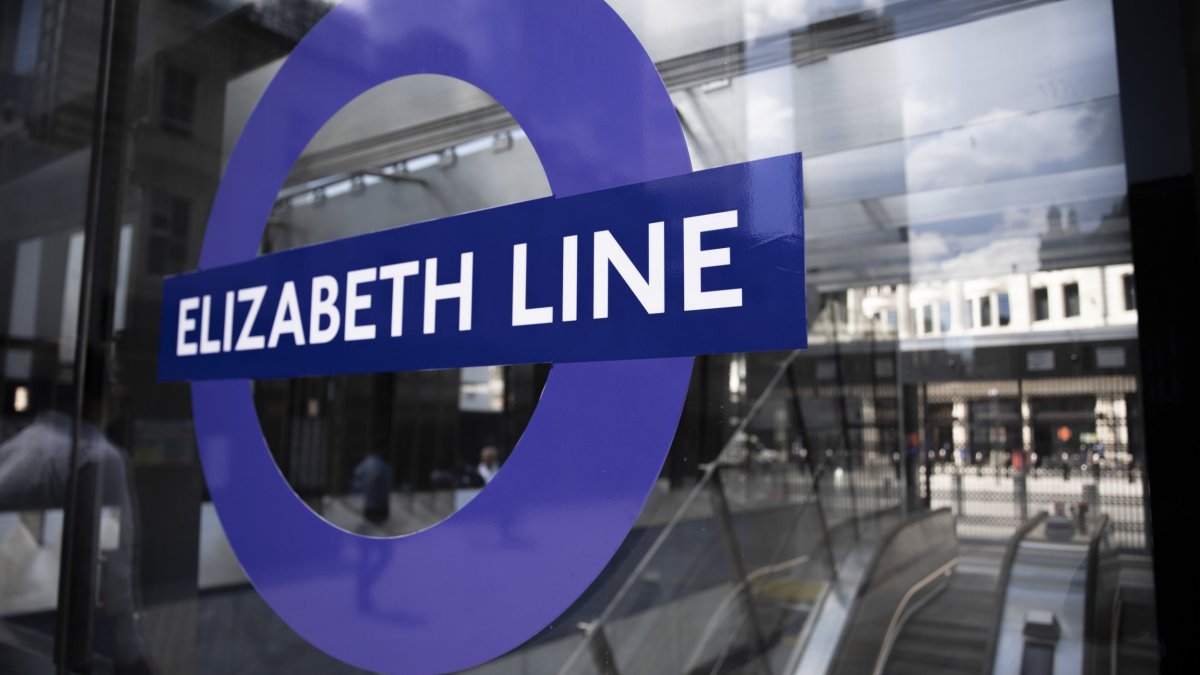
No. The Elizabeth line runs as normal.
But here is the catch. Everyone who normally takes the Piccadilly line will pile onto the Elizabeth line. Same for the Central line passengers between White City and Liverpool Street.
I tested the Elizabeth line during the April strikes. Usually a thirty-minute journey from Paddington to Heathrow took seventy-five minutes. Not because of delays. Because of crowds. The station staff had to hold people back on the platforms.
My advice: Add sixty minutes to any Elizabeth line journey on strike days. Maybe more if you are travelling between 7:30am and 9:30am.
Is the London Overground Affected?
The London Overground runs normally. No strikes on that network.
But again—crowding. The Overground becomes the escape route for everyone avoiding the broken Tube lines.
Last strike day, I watched Highbury & Islington station turn into a nightmare. The queue for the Overground stretched outside the station and around the corner. People were waiting forty-five minutes just to tap in.
If you can shift your travel time, do it. Travel at 6am or 10am. Avoid the 8am window completely.
What Is the Average Salary of a London Tube Driver?
You are probably asking what is the average salary of a London tube driver because you have seen the headlines. £72,000. £74,000. Some numbers go up to £80,000 with overtime.
You Must Also Like: Markwayne Mullin: Everything to Know About Trump’s Homeland Security Secretary Pick
Let me break down the real numbers.
Base salary for a qualified Tube driver: £63,901 to £71,170 per year
With overtime and allowances: £70,000 to £80,000
Instructor operators (senior drivers who train others): around £66,649
A driver earns about £30 to £40 per hour depending on experience and shift patterns.
The pension is the real perk. Drivers pay 5% of their salary. TfL pays 33%. That is unheard of in most jobs.
Why does this matter for the strike? The dispute is about a new four-day working week. TfL offered drivers a voluntary four-day week. Same pay. Just longer shifts each day. The RMT union rejected it. They say longer shifts cause fatigue in a safety-critical role.
The Aslef union accepted the deal. Their drivers will work through the strikes. This creates a strange situation—some drivers on strike, others not.
Tube Strikes Called Off? Do Not Get Your Hopes Up
I keep checking for news about tube strikes called off. Talks happened on Friday May 29 and Monday June 1.
As of now, no deal. The strikes are going ahead.
Could something change at the last minute? Possible. The April 2026 strikes were called off at the eleventh hour. But the RMT seems angrier this time. They say TfL "refused to engage meaningfully" with their concerns.
Here is my honest advice: Plan as if the strikes are happening. If they get called off, great. You lose nothing. But if you assume they are cancelled and they are not, you will be stuck.
Tube Strikes This Week: Hour-by-Hour Breakdown
Let me walk you through tube strikes this week hour by hour.
Monday June 1 (day before first strike):
-
Normal service all day
-
But expect some lines to have "planned engineering works"
-
TfL often schedules maintenance the day before strikes
Tuesday June 2 (strike day one):
-
12:01am – strikes begin
-
Before 6:30am – very limited service on running lines
-
6:30am to 9:00pm – reduced service on Bakerloo, District, Hammersmith & City, Jubilee, Northern, Victoria, Waterloo & City
-
9:00pm – last services finish. Do not be on a train after 9pm
Wednesday June 3 (recovery day):
-
Before 6:30am – limited service
-
After 6:30am – back to normal
-
But knock-on delays possible until midday
Thursday June 4 (strike day two):
-
Same as Tuesday. Midnight to midnight. Finish journeys by 9pm.
Friday June 5 (recovery day two):
-
Limited service before 6:30am
-
Normal by mid-morning
What the RMT Union Actually Wants?
The RMT union represents most Tube drivers. They are not striking for more money. That is the strange part. They are striking against a voluntary four-day week.
TfL proposed letting drivers work four longer days instead of five regular days. Same weekly hours. Same pay. Drivers get three days off.
The RMT says no. Their argument: longer shifts make drivers tired. Tired drivers make mistakes. Mistakes on the Tube can kill people. That is not drama. That is safety.
A driver quoted in the RMT statement said: The proposals raise serious concerns around fatigue, longer shifts, reduced flexibility, and the impact in a safety-critical role.
I understand both sides. TfL wants to give drivers a perk. The union worries about public safety. But here is my problem—Aslef drivers accepted the deal. If it was truly unsafe, would another union agree to it?
How to Actually Survive the Strike Days?
I have been through enough strike days to know what works. Here is my experience-tested advice.
Option one: Work from home. If your job allows it, do it. Seriously. Do not be a hero.
Option two: Use the buses. Buses run normally during Tube strikes. They will be crowded. But they move. The 73 bus saved my life during the March strikes. Took forty minutes longer than the Tube but I got there.
Option three: Cycle. Lime bikes and Santander Cycles are everywhere. I am not a cyclist. But on strike days, I become one. Fifteen minutes on a bike beats sixty minutes on a packed bus.
Option four: Travel off-peak. If you must use the Tube, do not travel at 8:30am. Go at 6:30am or 10:30am. The difference is night and day.
Option five: Walk. Central London is smaller than you think. Holborn to Tottenham Court Road? Fifteen minutes. Liverpool Street to Bank? Ten minutes. Put on headphones and walk.
What Not to Do During the Strikes?
I see the same mistakes every strike day.
Do not drive into central London. Congestion charge. ULEZ. Parking costs. Traffic jams. You will regret it.
Do not rely on the last Tube. TfL says complete journeys by 9pm. They mean it. During the April strikes, they locked station gates at 9:05pm. People were stuck.
Do not believe WhatsApp rumours. Someone will send a message saying "the strike is cancelled." Check TfL's official website or the TfL Go app. Nothing else.
Do not get angry at station staff. They did not call the strike. They are doing their best. I watched a man scream at a poor woman at King's Cross last year. It helped nobody.
Heathrow Passengers: You Have a Problem
If you are flying from Heathrow on Tuesday or Thursday, the Piccadilly line is shut. That is the direct Tube to all terminals .
Your alternatives:
-
Elizabeth line – running but crowded
-
Heathrow Express – expensive but reliable (£25 one way)
-
National Express coaches – cheaper but slower
-
Taxi or Uber – £60-100 depending on traffic
I flew out on a strike day last year. Took the Elizabeth line. Almost missed my flight because of crowds. Give yourself three hours before departure. Not two. Three.
The Final Thoughts
London Tube strikes June 2026 are happening this Tuesday and Thursday. The Elizabeth line and Overground are running but will be packed. Four lines have no service at all. Seven lines have reduced service.
Do not be a hero. Work from home if you can. If you cannot, wake up early. Use buses or bikes. Finish your journey by 9pm.
And remember—the staff at the stations are on your side. They are commuting too. They are stressed too. A simple "thanks" goes a long way. Check TfL's website before you leave.
The situation can change overnight. If the tube strikes called off headlines appear, I will update this piece. Until then, good luck out there. And maybe download a good podcast. You are going to be waiting for a while.