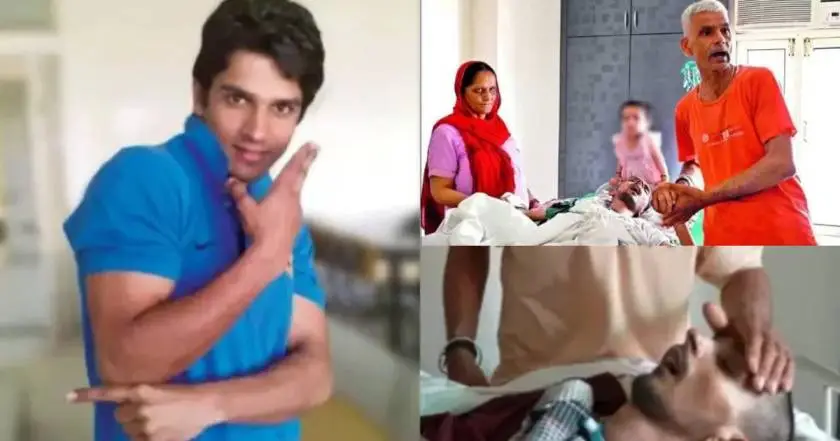
Who Is Harish Rana? The Man Behind The SC Life Support Case
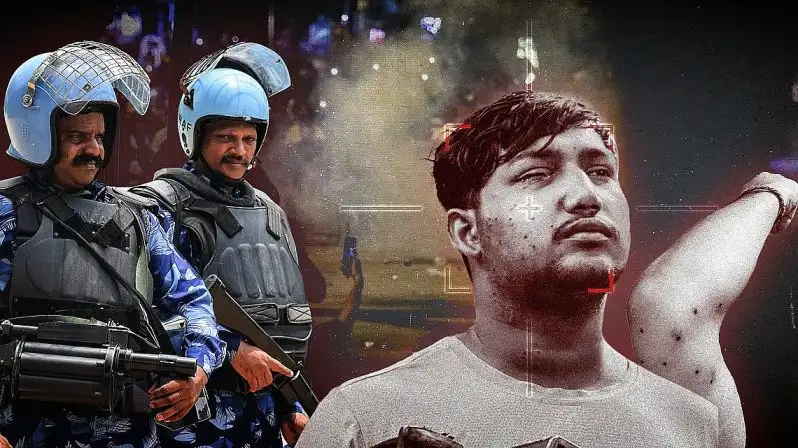
Harish Rana went through 13 years in a vegetative state after a drop. The Supreme Court later allowed for life support to be withdrawn after medical reviews of his condition.
Harish Rana was a student at Panjab University when his life changed in 2013. He fell from the fourth floor of a paying visitor settlement and endured extreme wounds. The accident caused real brain damage and left him dependent on life support.
For the another 13 years, Rana remained limited to a bed.
His Medical Condition
After the mishap, Harish Rana was put on life support. He required a tracheostomy tube to help him breathe and a gastrojejunostomy tube for food.
Read Also: Gig Workers Extend Nationwide Strike Through December 31
Since the damage, he has remained bedridden and dependent on others for everyday care. Doctors detailed no important advancements in his condition over the years.
Why The Case Reached The Courts?
Rana’s parents then approached the courts for permission to end her life. This means stopping life-sustaining treatment when recovery is not possible. The case eventually came to the Supreme Court of India.
The court reviewed medical evaluations and spoke with the family. Then, it allowed specialists to remove life support. They decided that extending his biological life was not in his best interest.
How India’s Euthanasia Law Evolved?
The debate over killing in India has progressed through several key Supreme Court cases. In Gian Kaur v. State of Punjab (1996), the Supreme Court held that the right to life beneath Article 21 does not incorporate the right to die.
The issue reemerged in Aruna Shanbaug v. Union of India (2011). Shanbaug, a nurse at Mumbai’s KEM Hospital, remained in a vegetative state for decades after a sexual assault. The court denied euthanasia in her case. Yet, it saw inactive killing as acceptable under strict safeguards.
The law advanced in Common Cause v. Union of India case (2018), the Supreme Court ruled that the right to die with dignity falls under Article 21. It also allowed living wills. Harish Rana’s case appears how this legal framework is currently being applied in practice.
What Changed In Indian Law?
Gian Kaur's shift to Aruna Shanbaug and then to Harish Rana highlights three key changes in Indian sacred law. To begin with, the right to kick the bucket with dignity has been perceived as part of the right to life.
Second, courts have created ways to stop life-sustaining treatment. This includes medical board reviews. The law now recognizes progress mandates, or living wills. These allow people to express their wishes for end-of-life care.