26/11 Mumbai Attack: How One Unarmed Constable Changed Everything?
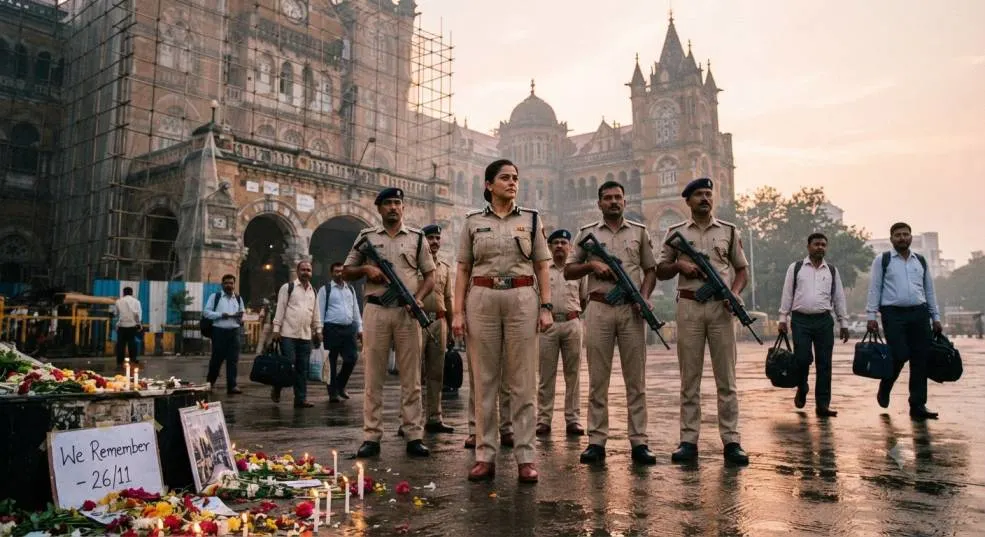
The 26/11 Mumbai attack remains the darkest chapter in modern Indian history. Ten terrorists from Lashkar-e-Taiba landed by sea on November 26, 2008, and held the city hostage for nearly 60 hours.
By the time the siege ended, 166 people were dead, including 18 police officers and security personnel. Nine terrorists were killed. But the tenth, Ajmal Kasab, was captured alive. That single fact changed everything.
And it happened because one unarmed constable, Assistant Sub-Inspector Tukaram Omble, made a choice that defied every instinct of self-preservation. He grabbed the barrel of Kasab's AK-47 with his bare hands.
26/11 Mumbai Attack: What Happened in 2008?
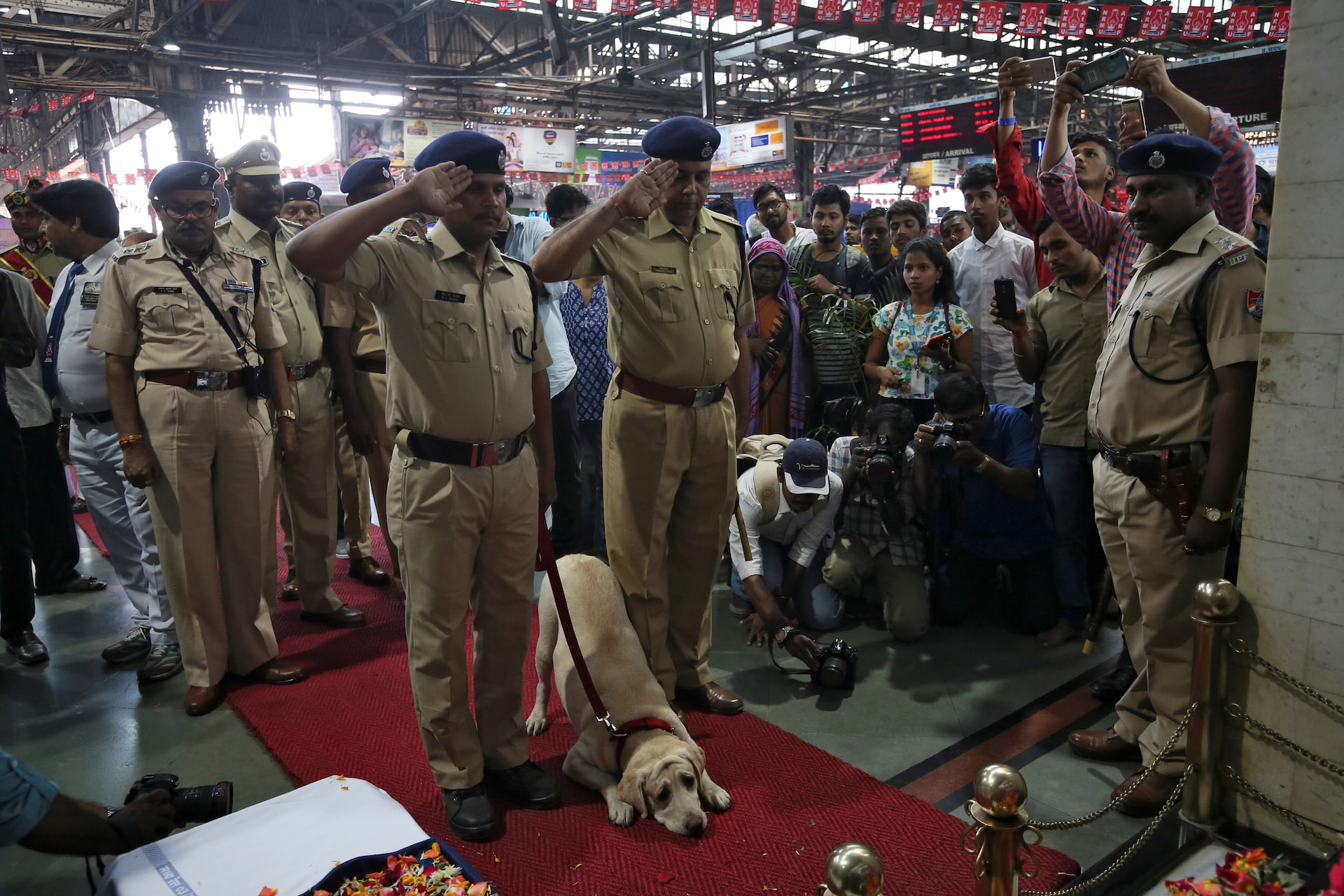
What Happened That Night?
The timeline matters here. Kasab and his accomplice, Abu Ismail, had already killed senior police officers Hemant Karkare, Ashok Kamte, and Vijay Salaskar outside Cama Hospital.
Read Also: Very Severe Cyclonic Storm Arnab: Path, Landfall Details, and Live Updates
They hijacked a police vehicle and sped toward Girgaon Chowpatty. Around 12:40 AM on November 27, their car crashed into a police barricade. Police ordered the men out. Kasab stepped out, hiding his rifle. Then he started firing.
Most officers dove for cover. Omble did not. According to witness accounts and the government's official citation, Omble rushed toward Kasab and grabbed the barrel of the rifle with both hands.
Kasab fired point-blank. Bullets tore into Omble's chest. He took more than 20 rounds . But he didn't let go. That grip prevented Kasab from aiming at anyone else. Other policemen used those precious seconds to overpower the terrorist.
The Man Behind the Badge
Omble was 48 years old. He had served in the Army before joining the Mumbai Police in 1991. Colleagues described him as quiet, disciplined, and someone who never raised his voice.
He was a beat marshal at Girgaum Chowpatty, a routine posting. Nothing in his file suggested he would one day face a terrorist with his bare hands. But that's how heroism works.
It doesn't announce itself. It shows up in a split second, when the choice is between self-preservation and duty. Omble chose duty.
Why Capturing Kasab Alive Mattered?
The Evidence That Exposed Pakistan
This is the part that often gets lost in the retelling. If Kasab had died at Chowpatty, India would have had nine dead terrorists and no living witness. The world might never have known the full story.
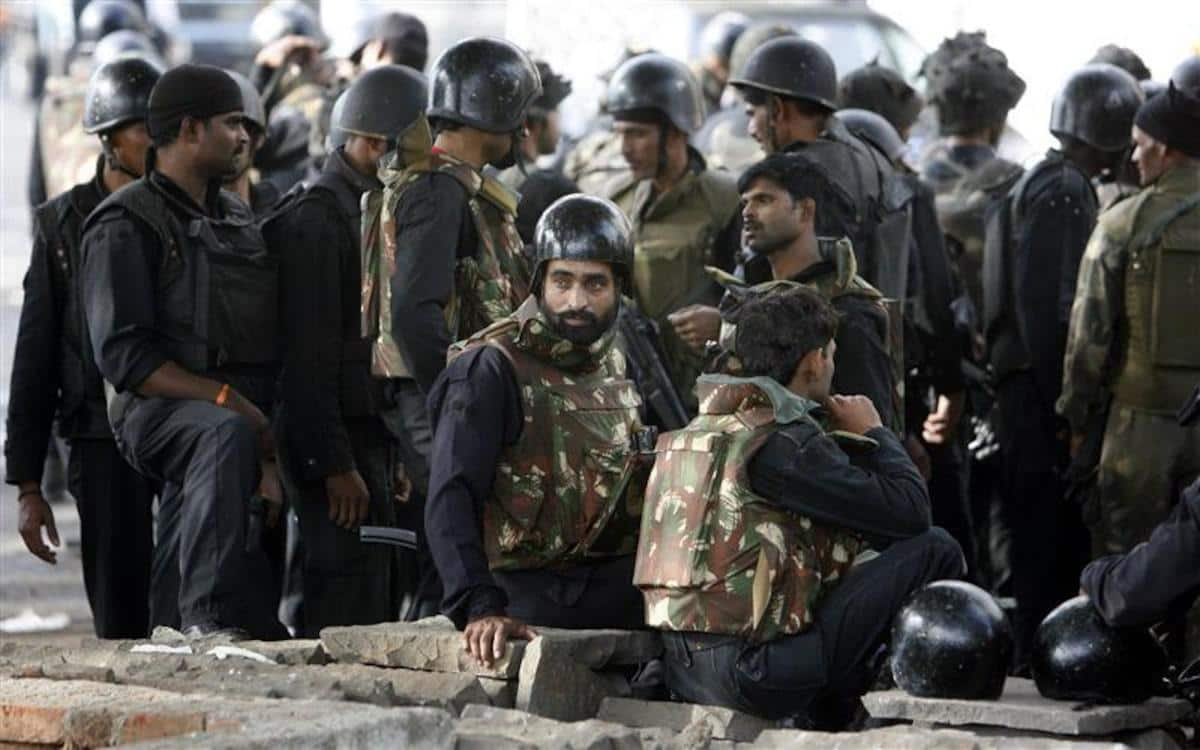
You Must Also Like: IAF Hero Abhinandan Varthaman Joins FLY91 Board/Team: All You Need to Know
Kasab's capture gave investigators something priceless: a breathing, talking participant who could confirm the route, the training camps, the handlers, and the Pakistani link.
Former Home Minister P. Chidambaram said it plainly in 2010. "If Kasab had died, there would be no conclusive link to Pakistan. The fact that we were able to capture Kasab alive… led to the conclusive link to Pakistan, that the terror attack was mounted from Pakistan".
That single sentence explains why Omble's sacrifice mattered beyond the immediate moment. He didn't just save lives. He preserved the truth.
The Trial and the Verdict
Kasab stood trial in India. The evidence gathered because he was alive led to his conviction and eventual hanging in 2012. The investigation exposed the Lashkar-e-Taiba network, the training infrastructure in Pakistan, and the handlers who directed the attack from across the border. None of that would have been possible without a living defendant.
The Recognition That Followed
The Ashoka Chakra
India posthumously awarded Tukaram Omble the Ashoka Chakra, the country's highest peacetime gallantry award. His family accepted it on his behalf. The citation specifically mentions his act of grabbing the rifle and holding on despite being shot repeatedly.
A Memorial in His Village
In March 2025, the Maharashtra government sanctioned ₹13.46 crore for a memorial in Omble's native village of Kedambe in Satara district.
The memorial will honor his sacrifice at his birthplace. It's a small gesture compared to what he gave. But it ensures future generations know his name.
The 18th Anniversary and the Questions That Remain
As India marks 18 years since the 26/11 Mumbai attack, tributes pour in from across the country. External Affairs Minister S. Jaishankar wrote on X:
Remember innocent lives lost & salute the brave security personnel who made the supreme sacrifice during the 26/11 Mumbai terror attacks. Committed to combating terrorism in all its forms".
But alongside the tributes, uncomfortable questions persist. Senior advocate Ujjwal Nikam, who prosecuted the case, said: "We gave them only one answer: we will respond to terrorism in such a way that no one dares to carry out another terror attack in our country.
I am happy that we hanged Mohammad Ajmal Amir Kasab. But another question remains: Have we been able to reach those who conspired to plan the attack? Have we been able to deliver justice to the 166 victims? If not, why?" .
That question hangs in the air every November 26th. Omble did his part. He stopped a terrorist and preserved the evidence. The rest was supposed to follow. It hasn't fully.
What Tukaram Omble Teaches Us?
Courage Isn't Complicated
Omble didn't have a plan. He didn't have a weapon. He didn't have backup in that exact moment. He had an instinct: stop the man with the gun. That instinct cost him his life. It also saved the investigation.
There's a lesson there about how ordinary people do extraordinary things. It's not about training or equipment. It's about deciding, in a fraction of a second, that something matters more than your own safety.
The Weight of One Decision
The 26/11 Mumbai attack killed 166 people. The terrorists intended to kill more. They wanted to destabilize India, damage its economy, and provoke a war.
They failed at the last part, partly because the evidence from Kasab's capture allowed India to pursue diplomacy instead of immediate military escalation. One man's decision at a barricade shaped the course of a nation's response.
The Final Thoughts
Tukaram Omble was not a commando. He was not a celebrated officer. He was a 48-year-old constable doing his duty on a night when duty meant certain death. He grabbed a rifle barrel and held on.
That's the 26/11 Mumbai attack story that deserves to be told and retold. Not because it's dramatic, though it is. But because it's true. An unarmed man stopped a terrorist and changed the course of an investigation that exposed a nation's enemy.
His name belongs in every account of that night. And on the 18th anniversary, as the nation remembers the victims and the heroes, Tukaram Omble's sacrifice stands as proof that one person's courage can alter history.