Nana Patekar Passes Away at 75: Bollywood in Deep Shock After Veteran Actor Suffers Cardiac Arrest
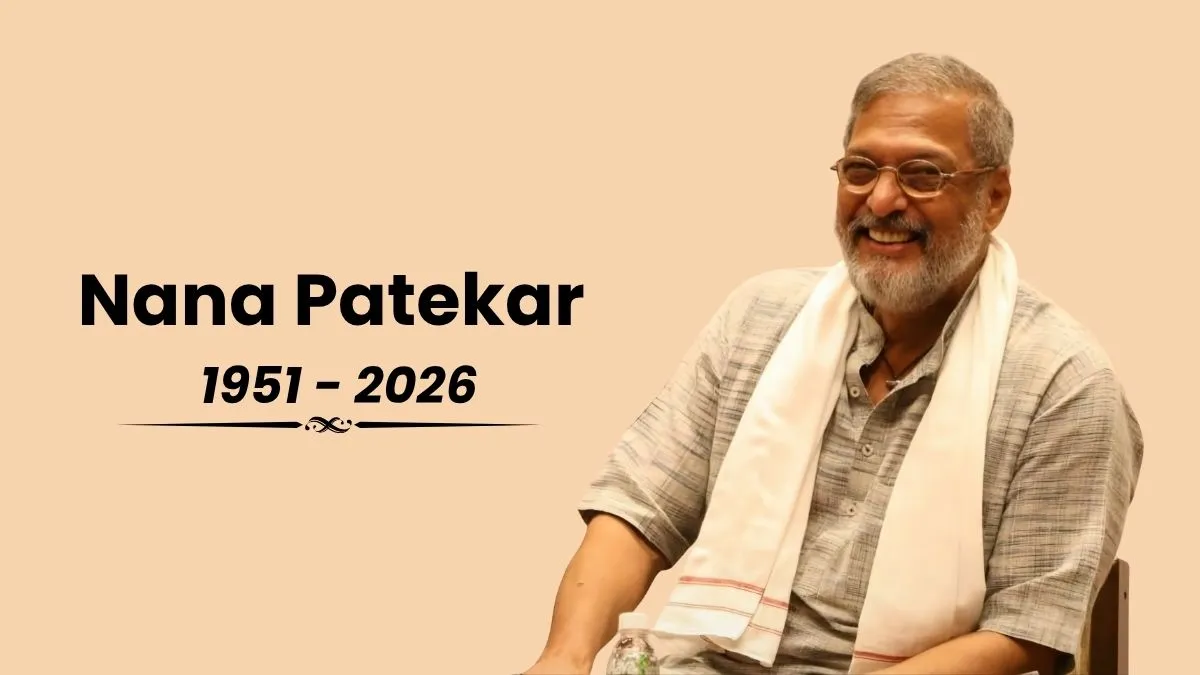
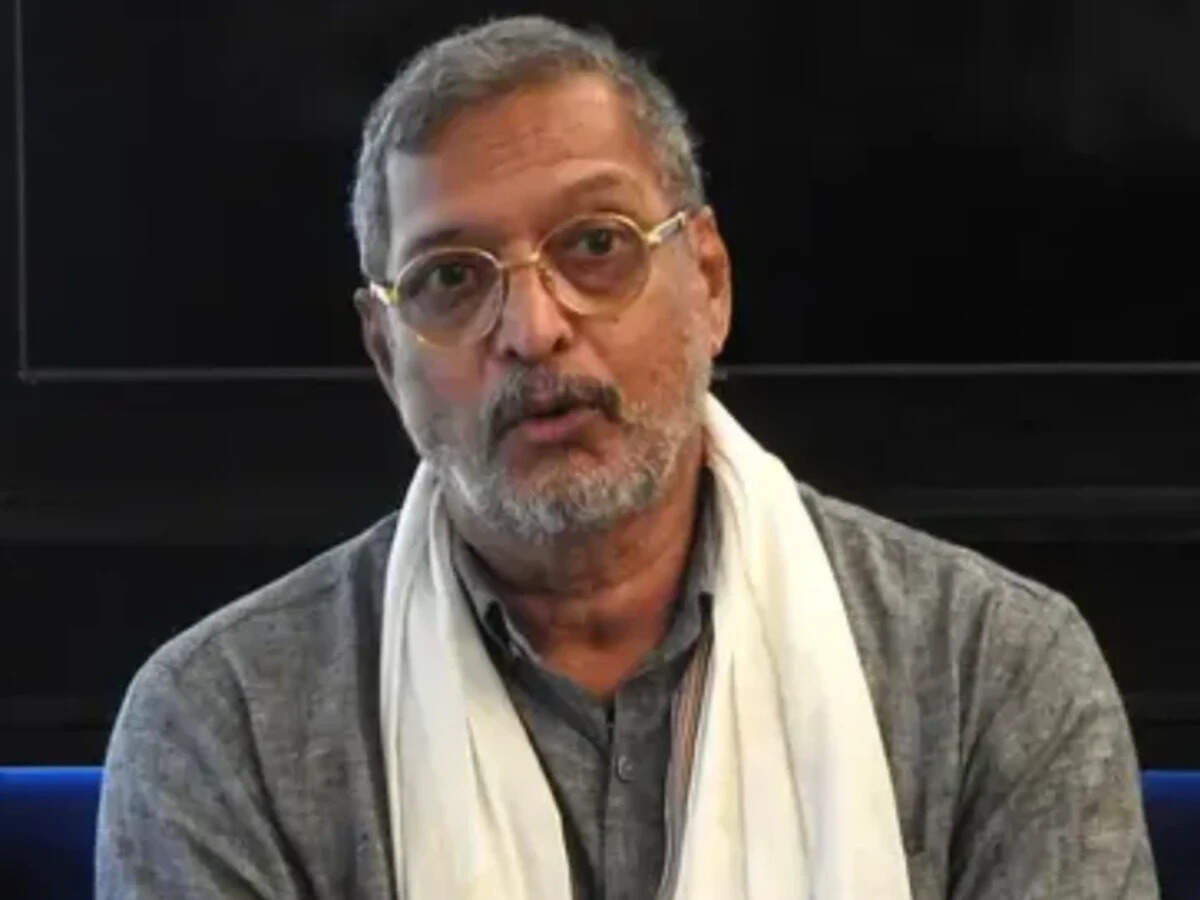
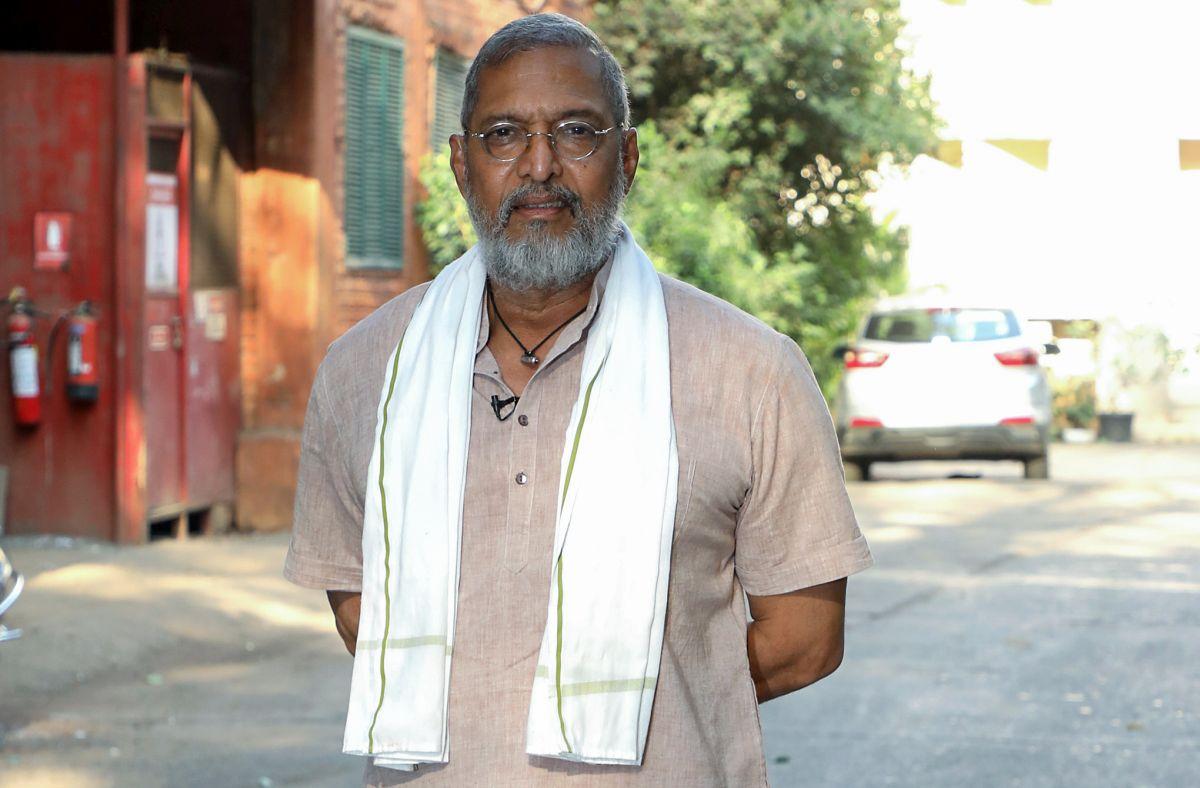
Veteran actor Nana Patekar dies at age 75, leaving Indian cinema in deep shock. The National Award-winning star suffered a cardiac arrest at his Goa home early Thursday morning.
Doctors tried to revive him for 45 minutes. They could not. His death marks the end of a career that spanned nearly five decades. Patekar was more than an actor. He was a force of nature on screen.
His voice, his intensity, his raw honesty—these things cannot be taught. They come from somewhere deeper. Bollywood lost one of its most distinctive performers today. The industry is reeling. Fans are heartbroken. And the question everyone wants answered is simple: what exactly happened?
Nana Patekar Death Reason: What Doctors Have Confirmed?
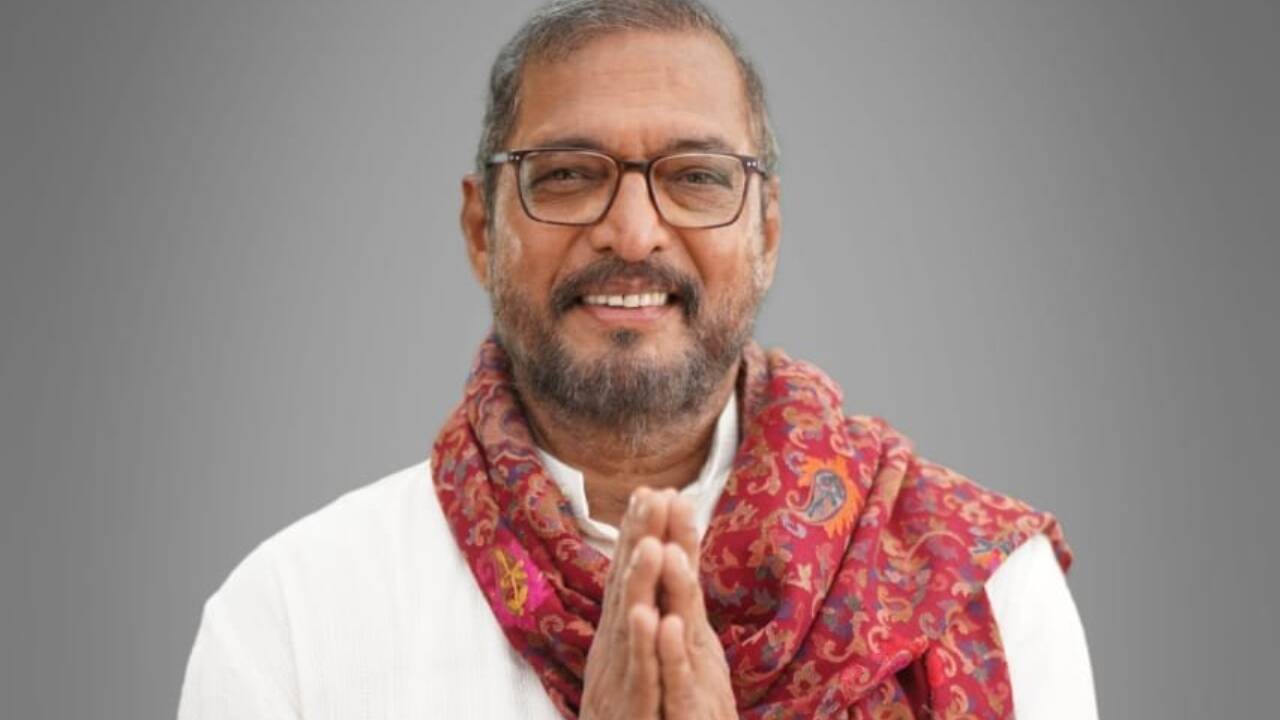
The doctor who treated him shared critical details. Dr. Shekhar Salkar, Chief of Oncology at Manipal Hospital in Goa, spoke to reporters. His account explains the final hours clearly. No speculation needed.
Read Also: Indian Shooting Legend Jaspal Rana Passes Away at 49 After Cardiac Complications
Patekar sent a message to a friend around 3:30 AM. He said he wasn’t feeling well. That message sat unseen for about half an hour. The friend saw it at 4 AM and rushed to Patekar’s apartment in Dona Paula.
By the time the friend arrived, things had gotten worse. Patekar was sweating. He was slipping into unconsciousness . The caretaker went to Manipal Hospital for help. An ambulance came back. But when the medical team reached him, Patekar was already on the floor. Unconscious. Almost unresponsive.
CPR started immediately. They moved him to the hospital while continuing chest compressions. His residence was only about five minutes away. The team got him to Manipal in roughly ten minutes.
Doctors kept trying. For 45 minutes straight, they worked on him. Dr. Salkar said Patekar remained in asystole the entire time . Asystole means the heart showed no electrical activity. No rhythm. Nothing to shock back.
He was declared dead at 5:20 AM.
The exact underlying cause of the cardiac arrest isn’t fully known yet. A post-mortem will determine that. But doctors did share one important detail: Patekar was a known cardiac patient. He was on medication. This wasn’t his first heart issue. It was just the one his body couldn’t survive.
Why the 45-Minute CPR Matters?
People hear “45 minutes of CPR” and wonder why they couldn’t save him. The answer is brutal. Once someone goes into asystole, the odds drop fast. The heart isn’t just beating irregularly. It’s not beating at all.
You Must Also Like: Brimful of Asha: The Story of the Global Anthem That Crowned a Queen
CPR keeps blood flowing to the brain and vital organs. It buys time. But it doesn’t restart the heart. That requires the heart to have some electrical activity to work with. Patekar’s heart had none. Forty-five minutes of perfect chest compressions couldn’t change that reality.
The distance from his home to the hospital was short. The response was quick. But cardiac arrest moves faster. When it happens outside a hospital setting, survival rates are low. Even with immediate CPR. Even with quick transport. Even with doctors waiting.
This isn’t a failure of medical care. It’s the nature of the event. Sudden cardiac arrest kills more people than most realize. It doesn’t wait for the right moment. It doesn’t care who you are.
Who Was Nana Patekar Beyond the Screen?
Most people know him from Krantiveer. Or Parinda. Or Welcome. His range was ridiculous. He could play a volatile gangster in one film and a deaf-mute man in Khamoshi in another. He made you believe both.
Patekar was born Vishwanath Patekar in 1951. He started in theatre. Marathi theatre. That’s where he built his style. Raw. Intense. Unpolished in the best way. He didn’t act like a movie star. He acted like someone who had something to prove. Every single time.
He won three National Film Awards. Parinda. Krantiveer. Agni Sakshi . He received the Padma Shri in 2013. But awards never seemed to be the point for him.
He directed films too. Prahaar was his. He wrote. He produced. He stayed involved in theatre throughout his life.
Off screen, Patekar was complicated. He founded the Naam Foundation with Makarand Anaspure in 2015. The organization helped farmers and worked on water conservation in Maharashtra. He spoke openly about farmer suicides. He put money and time into the cause.
He also faced serious allegations. In 2018, actor Tanushree Dutta accused him of sexual harassment from a 2008 film set. The case became a flashpoint for India’s #MeToo movement. Patekar denied the allegations. In 2019, police cleared him due to insufficient evidence.
He was a man who contained contradictions. Fiercely private. Publicly outspoken. Generous with some. Accused by others. His legacy will be debated for years. That’s what happens when someone refuses to fit into easy boxes.
Bollywood Reacts: Shock, Grief, and Memories
The industry woke up to the news and struggled to process it.
Akshay Kumar worked with Patekar in Welcome and Housefull 5. He wrote: “He was one of those rare actors who never needed to do too much to make you sit up and watch. That voice, that intensity, that honesty in every performance… he was completely his own”.
Riteish Deshmukh called the news devastating. “An actor par excellence, incomparable to anyone,” he said. “There wasn’t a role or a character he couldn’t perform”.
Jr NTR offered a simple, powerful tribute: “There was an unmistakable honesty and intensity in every character he portrayed. His performances never felt like acting, but life unfolding on screen”.
Prakash Raj shared something more personal: “Miss you my dear Nana ji. Will cherish the moments spent, conversations, arguments, the food you cooked, knowledge you shared”.
Prime Minister Narendra Modi also released a statement. He praised Patekar’s versatility and creativity. He said his death left “a vast void”.
Maharashtra Chief Minister Devendra Fadnavis remembered him as both an artist and a friend. He highlighted Patekar’s work with the Naam Foundation and his commitment to farmers.
What Happens Next?
Patekar’s body was taken to Goa Medical College and Hospital for post-mortem examination. The process is standard when death occurs outside a hospital or when the exact cause isn’t immediately clear. A medico-legal case was registered.
His son Malhar Patekar was in Pune when the news broke. He left for Goa immediately.
Maharashtra’s government announced that Patekar would receive a state funeral. That decision reflects his standing in Marathi and Hindi cinema. It also recognizes his contributions beyond acting—his theatre work, his social activism.
The post-mortem results will provide more specific answers about what triggered the cardiac arrest. Was it a blocked artery? A rhythm disorder? Something else entirely? Those details matter medically. But they won’t change the outcome. Patekar is gone.
Understanding Cardiac Arrest: What Everyone Should Know?
This story hits differently if you have heart issues in your family. Or if you’ve ever felt chest pain and ignored it.
Cardiac arrest is not a heart attack. People confuse the two constantly. A heart attack happens when blood flow to the heart gets blocked. The heart keeps beating, but it’s struggling. Cardiac arrest is different. It’s an electrical problem. The heart stops beating entirely. Blood stops flowing. The person collapses within seconds.
Patekar was already a cardiac patient. He was taking medication . That means his doctors knew he had risk factors. They were managing them. But management isn’t a cure. It’s a daily negotiation with a system that can fail.
What are the warning signs? Chest pain. Shortness of breath. Fainting. Extreme fatigue. Patekar complained he wasn’t feeling well. He sent that message. But by the time anyone responded, the window had closed.
This is the cruel part of cardiac events. Sometimes the warning is clear. Sometimes it’s just “I don’t feel good.” And sometimes that’s enough to mean goodbye.
If you have heart conditions in your family, don’t ignore symptoms. Get checked. Keep medications current. Learn CPR. Those are not dramatic steps. They’re basic ones. But they can matter.
A Career That Cannot Be Replicated
Nana Patekar didn’t fit the Bollywood hero mold. He wasn’t conventionally handsome. He didn’t dance. He didn’t do romantic leads. He played characters who were angry, broken, dangerous, or strange. And he made audiences care about them anyway.
His debut was Gaman in 1978. Small roles followed. Then Parinda in 1989 changed everything. His performance as Anna won him his first National Award. He became the guy directors called when they needed someone to bring weight to a scene.
Krantiveer made him a star. His portrayal of Pratap Narayan Tilak was fiery, patriotic, and unforgettable. He won the National Award for Best Actor.
He proved his range in Khamoshi. He played a man who couldn’t speak or hear. No dialogue. Just expression. He made it work.
Then came Welcome. A comedy. His comic timing was deadpan and sharp. People quoted his lines for years. He showed that intensity and humor could coexist.
His last film Housefull 5 released in 2025. He worked until the end. That’s the mark of someone who never treated acting as a job. It was his life.
The Legacy Question
Nana Patekar leaves behind a complicated legacy. He was an extraordinary actor. That part is not up for debate. Three National Awards. A Padma Shri. Roles that defined generations of cinema.
He was also a man accused of serious misconduct. He denied it. The case was closed. But the accusation remains part of his story. Any honest telling of his life has to include both.
What matters now is what he left behind. Films that people will watch for decades. Performances that aspiring actors will study. A foundation that helped farmers when they needed it. A voice that could fill a room and silence a crowd.
He was 75. He had more to give. That’s what makes this hurt. The suddenness. The “not yet.” The fact that he sent a message saying he didn’t feel well, and then he was gone.
The post-mortem will give us medical answers. But it won’t give us the man back.